
Sulfur is a bright yellow mineral, and it is the third most abundant mineral in the human body. Sulfur has a warming quality in living tissue, which is why it is considered a hot element, accelerating protein metabolism and growth.
Sulfur-rich plants tend to have some common health-building and healing qualities. First, they tend to aid the digestion and utilization of proteins. Second, before antibiotics, sulfur-based drugs were commonly used to fight infections, and plants with high sulfur content may help the immune system.
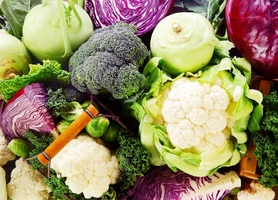
Third, sulfation is a major pathway for chemical detoxification. Eating cruciferous vegetables from the mustard family, which are rich in sulfur compounds, is known to have a protective effect against environmental chemicals and reduce the risk of cancer.
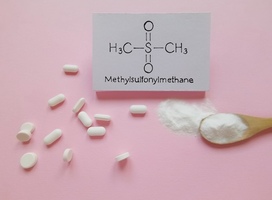
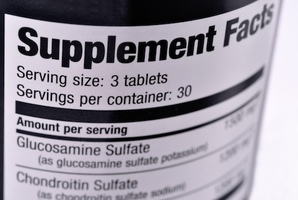
Fourth, sulfur compounds can help reduce inflammation and are useful in easing joint and muscle pain in arthritis, rheumatism, and other forms of chronic pain. Sulfur compounds like MSM and glucosamine sulfate have this property. Mustard plasters have also been applied topically to ease pain, and people have also sought out sulfur-rich mineral hot springs for arthritis and to improve health.
Other benefits of sulfur include aiding the creation of healthy hair, skin, fingernails, and other tissues. Sulfur also aids glucose metabolism and is a component of many vitamins and amino acids, and may also help protect the brain from dementia and Alzheimer’s.
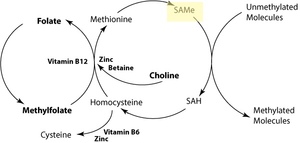
This issue of Sunshine Sharing educates about the value of sulfur-rich supplements, specifically MSM, indole-3-carbinol, glucosamine sulfate, chondroitin, and SAMe.
Become a Member
Steven Horne's monthly member program is a way for you to get great information about herbs and natural healing to build your herbal business. Including the ability to share issues of Sunshine Sharing like this one. Click here to learn more.