
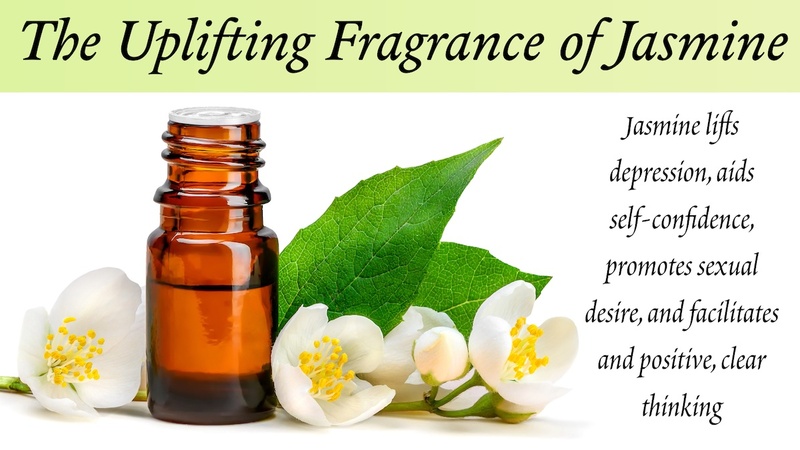
I find Jasmine to be an intoxicating fragrance. I used to have an arch in my backyard with jasmine growing over it. When the jasmine was in bloom, breathing in the fragrance often made me stop whatever I was doing and linger for a few moments to enjoy its heady, exotic scent.
Fragrances have a powerful impact on both memory and emotions. The nerves that detect scent are directly wired into the limbic system of the brain, which controls emotions and shunts information into long-term memory. This means that specific smells can cause our brains to release specific neurotransmitters and hormones. It’s obvious to me that jasmine triggers the release of messenger chemicals that produce happy, relaxed feelings. I don’t know for sure which neurotransmitters and hormones it stimulates, but I’m going to make a few guesses in this article. Keep in mind that I’m only making educated guesses about the neurotransmitters and hormones, but I am providing accurate information on the uses of jasmine.
Jasmine for Childbirth
 There’s pretty good evidence to believe that smelling jasmine releases oxytocin. Oxytocin is responsible for triggering uterine contractions during childbirth. It’s also been called the love hormone. It’s responsible for mother-infant bonding and also produces the warm, cozy feelings we have when we’re with those we love. The reason I think jasmine may trigger some oxytocin release is that it’s been used historically to aid childbirth and assist in the expulsion of the placenta.
Oxytocin also counteracts stress, which is something jasmine does very well. Stress tenses us up, but jasmine helps us relax. And because it also helps relax muscles, it also helps ease pain during childbirth, especially low back pain. To obtain these effects it should be used in a massage oil on the abdomen and lower back in the early stages of labor. It can be used similarly to ease dysmenorrhea (painful menstruation) and delayed menstruation.
Jasmine as an Aphrodisia
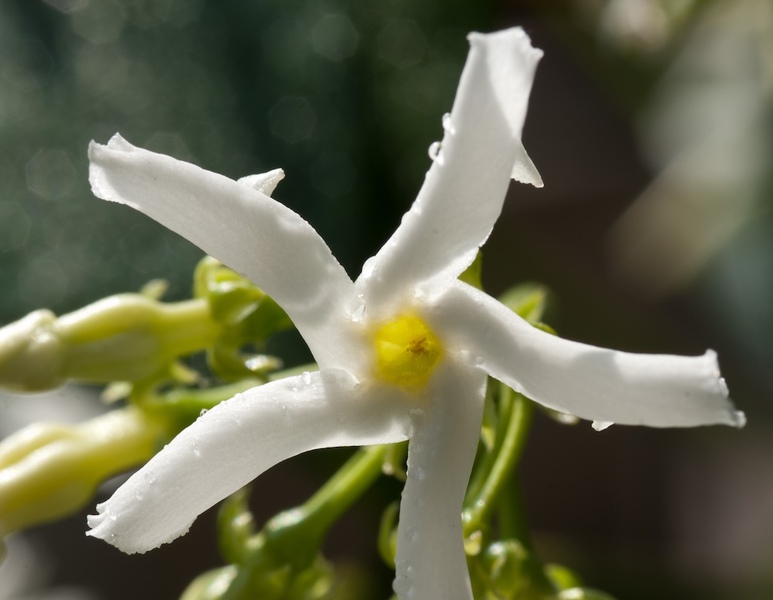 Jasmine is also considered an aphrodisiac, a remedy that helps to enhance sexual desire. Jasmine is associated with feminine energy in Oriental cultures. In China it is associated with feminine beauty and sweetness. In India, it is traditionally woven into bridal wreaths. It is associated with love and fertility in Hindu and Muslim traditions. In Christianity, it became associated with the Virgin Mary.
While oxytocin gives us the cozy, trusting feelings that allow us to relax around someone we love, desire is largely driven by dopamine, the neurotransmitter that is primarily involved in sexual attraction. What most of us would call sexual chemistry is a dopamine reaction, so it’s possible that jasmine triggers the release of dopamine.
Whether it does or doesn’t, jasmine is still a good essential oil to enhance the mood for sex. It can be diffused into the room or used in a massage oil to relax the partners and stimulate sexual attraction and desire. This effect can be enhanced by combining it with fragrances like rose and ylang ylang.
Jasmine as an Antidepressant
Serotonin and dopamine are involved in feeling motivated and energized. Dopamine helps us pursue what we want, and serotonin is involved in feelings of self-esteem and self-worth. Since jasmine is also considered an antidepressant, it may also affect serotonin. It is helpful for depression associated with feelings of lethargy. The smell of jasmine encourages optimism and self-confidence while reducing feelings of fear. It is believed to help reduce inner restraints that are holding a person back from seeking what they desire. It can help counteract apathy, fatigue, weakness, and restlessness.
Jasmine for Grief and Congestion
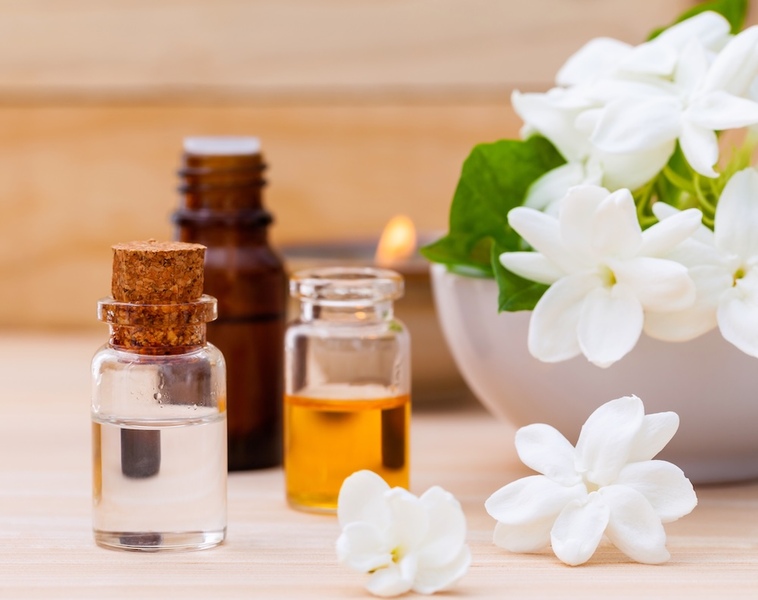 Jasmine has also been recommended as a remedy for repressed grief. The flower essence in particular, has been used to clear mucus congestion in the head and cloudy thinking in the mind. It is said to relieve postnasal drip (excess mucus dripping back into the throat) related to sadness and anger.
I found this connection between sadness and postnasal drip interesting because I suffered from chronic postnasal drip through my teenage years and into my early twenties. While improving my diet and cleaning out my colon helped, I finally figured out there was also an emotional factor to it. I learned it was an internal crying, meaning there was chronic grief that was not being dealt with or expressed. Allowing myself the right to openly grieve helped ease the postnasal drip, and I’ve helped other people with postnasal drip grieve, and it helped them, too.
Using Jasmine
The essential oil or absolute of jasmine can be inhaled or applied topically, but is not for internal use. When applied topically, it can relieve muscle spasms and help dry skin. It also helps wounds heal and has an antiseptic quality to fight skin infections.
Inhaling the oil can help clear the head, both clearing the sinuses and clearing the mind from cloudy thinking. It may also be helpful for headaches and relaxing when you're feeling stressed. The oil can also be diffused or used as a massage oil for enhancing romantic feelings or aiding childbirth. It’s also a good oil to inhale or diffuse if you’re experiencing emotional distress, as it has a calming, uplifting effect, promoting positive self-confidence and a good mood.
References for Additional Information
- Flower Power by Anne McIntyre
- The Complete Guide to Aromatherapy by Salvatore Barraglia
- Jasmine Oil: Mood Booster, Stress Buster & Health Enhancer
- 15 Jasmine Essential Oil Benefits & Uses
- Everything You Need to Know About Jasmine Essential Oil
Steven's Articles
-

-
The Uplifting Fragrance of Jasmine
Jasmine lifts depression, aids self-confidence,…
February
-

-
Reishi (Ganoderma) Mushroom
A TCM remedy for calming the shen (spirit), balancing…
-

-
Eucommia Bark
A superior tonic that promotes kidney, structural,…
January
-

-
Goldenthread, Phellodendron, and Yellow Root
Three herbal remedies containing the infection-fighting…
-

-
Teasel
A traditional herb for healing bones and joints…
-

-
Barberry and Healthy Personal Boundaries
A thorny shrub for fighting infections and supporting…
December
-

-
The Evidence for Berberine
A yellow alkaloid found in traditional infection-fighting…
-

-
The Sensible Use of Caffeinated Herbs
Kola nuts, guarana, and yerba mate and other herbs…
-

-
The Health Benefits and Problems with Coffee
This popular caffeinated beverage can be beneficial…
October
-

-
Understanding Caffeine & Cellular Adaptation
Preserving the power of caffeine's buzz and the…
September
-

-
Horseradish
A pungent spice for aiding protein metabolism…
-

-
Banaba or Crepe Myrtle
A beautiful tree from Southeast Asia whose leaves…
August
-

-
Monkeyflowers
Flower essences to help see ourselves more clearly…
-

-
Mariposa Lilies
Strengthening the bond between mother and child…
-

-
The Noble Bay Leaf
A common kitchen herb for aiding digestion and…
Steven Horne is an herbalist and healer who focuses on teaching others how they can start building health and stop treating disease.
-
-
The Uplifting Fragrance of Jasmine
Jasmine lifts depression, aids self-confidence, promotes… | March 2, 2026
-
-
-
Reishi (Ganoderma) Mushroom
A TCM remedy for calming the shen (spirit), balancing… | February 23, 2026
-
-
-
Eucommia Bark
A superior tonic that promotes kidney, structural,… | February 5, 2026
-
-
-
Goldenthread, Phellodendron, and Yellow Root
Three herbal remedies containing the infection-fighting… | January 27, 2026
-
-
-
Teasel
A traditional herb for healing bones and joints and… | January 9, 2026
-
- More Articles
- Healing Generational TraumaFebruary 2026Member webinar
- The Critical Role of Amino AcidsFebruary 24, 2026 6:00 pm MTMember webinar
- Mind-Body Connections Revealed Through IridologyMarch 10, 2026 6:00 pm MTMember class
- Supporting Hepatic HealthMarch 31, 2026 6:30 pm MTMember webinar
- Botany for HerbalistsApril 21, 2026 6:00 pm MTMember class
- More Webinars & Classes
Useful Links
- Articles
- Membership
- Educational Programs
- Strategies for Healing
- Find a Natural Healer
- Quizzes
- LMS Student Login
Contact Us
Email: treelite@treelite.com
Steven Horne Creations
PO Box 1172
St. George, UT 84771
2026 © Steven Horne Creations, LLC. All Rights Reserved.