
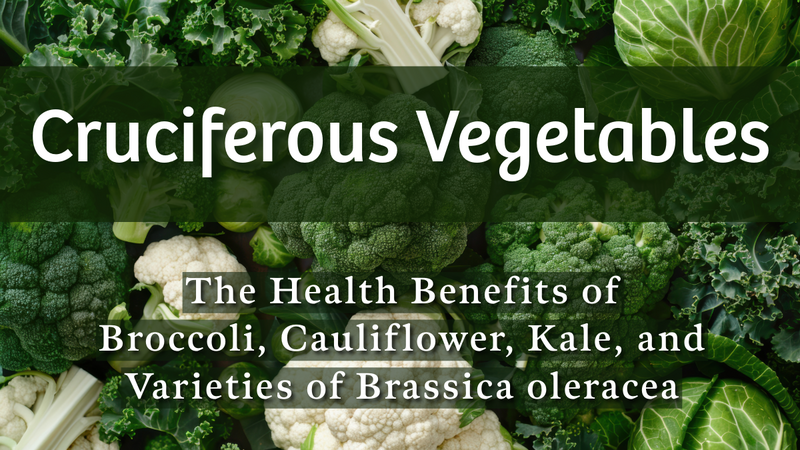
Human beings are masters at breeding new variants of species. Think of the many different varieties of dogs and cats humans have bred. We have also created numerous plant varieties, and a perfect example is wild cabbage, botanically known as Brassica oleracea. Many health-promoting cruciferous vegetables come from this single species in the mustard family. These vegetables include cabbage, broccoli, cauliflower, kale, Brussels sprouts, collard greens, and kohlrabi, and a dozen more.
If you look at these vegetables botanically, you’ll see a common pattern of arrested development at different stages of plant development. When you eat broccoli and cauliflower, for instance, you’re eating flower buds. A large head of flower buds develops, but doesn’t bloom right away. When you eat cabbage or Brussels sprouts, you’re eating a large group of undeveloped leaves that collect in a head before unfolding. In kohlrabi, it’s the stem that swells. Finally, the leafy versions of these vegetables, kale and collard greens, produce thicker, juicer leaves than the original wild cabbage plant.
I’ve already written about the health benefits of cabbage and now I’m going to take a look at the health benefits of a few more, specifically broccoli, cauliflower, and kale.
General Benefits of Cruciferous Vegetables
These vegetables vary in their individual nutritional profiles, but they all tend to be low in calories and high in fiber and other beneficial nutrients. They are generally good sources of vitamin K-1, which aids blood clotting, vitamin A in the form of carotenoids, vitamin C, and the natural form of folic acid, folate, which is a methyl donor. They also tend to be high in iron and calcium, and the green ones are also good sources of chlorophyll and magnesium.
Cruciferous vegetables generally contain glucosinolates, which are sulfur-containing chemicals. These compounds give these vegetables a slightly bitter taste and a strong smell. During digestion, glucosinolates in cruciferous vegetables have been shown to produce compounds that can kill cancer cells, inhibit tumor growth, and protect healthy cells from damage.
Cruciferous vegetables tend to be high in antioxidants, which protect cells from free radical damage, and the sulfur compounds in them may help the body fight infections. Sulfur also supports sulfation, one of the liver's detoxification pathways.
The soluble and insoluble fiber in them helps maintain gut health by bulking the stool and feeding friendly gut bacteria. However, if your microbiome is out of balance they may cause gas and bloating when you first start eating them. However, if you gradually introduce them into your diet, your microbiome will adapt, and the problem will usually go away.
Broccoli
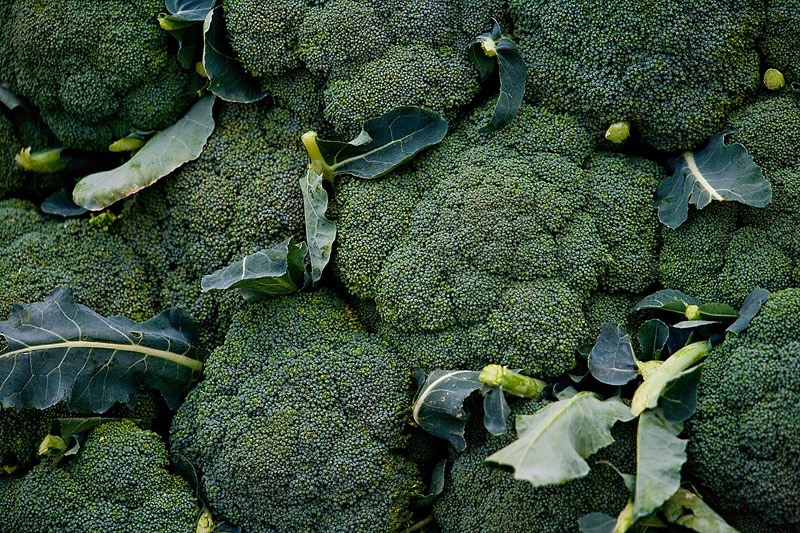 The cultivation of broccoli dates to the Roman Empire. It’s also one of the more popular cruciferous vegetables and one that's usually easier to get kids to eat as it has a milder flavor. I used to call them "broccoli trees" when serving them to my children. As previously mentioned, when you eat broccoli, you’re consuming a dense head of flower buds. However, the stems and leaves are also edible; they're just more bitter. I generally try to eat as much of the stem as I can. I peel off the tougher outer part of the stem and cook the inner part.
Broccoli is a good source of calcium, iron, potassium, and zinc, as well as various B vitamins, including folate. It also contains beta-carotene (vitamin A), vitamin E, vitamin K, and chlorophyll. Although much of this nutritional value is lost when you cook it. You'll get more vitamin C and antioxidants by eating it raw, the fresher the better. When cooking it, steam it or roast it until it's slightly tender. I prefer steaming it because roasted broccoli doesn't appeal to me, because I enjoy it more that way. Besides eating raw or steamed broccoli, I also like to make cream of broccoli soup.
I use the stems and some of the florets to blend with the base of chicken stock, organic cream, and melted cheese. I then finely chop the remaining florets so that there are small pieces of broccoli in the soup. My wife will also add pieces of broccoli to a vegetable soup, but when it comes to adding a cruciferous vegetable to a vegetable soup, I prefer our cauliflower.
Cauliflower
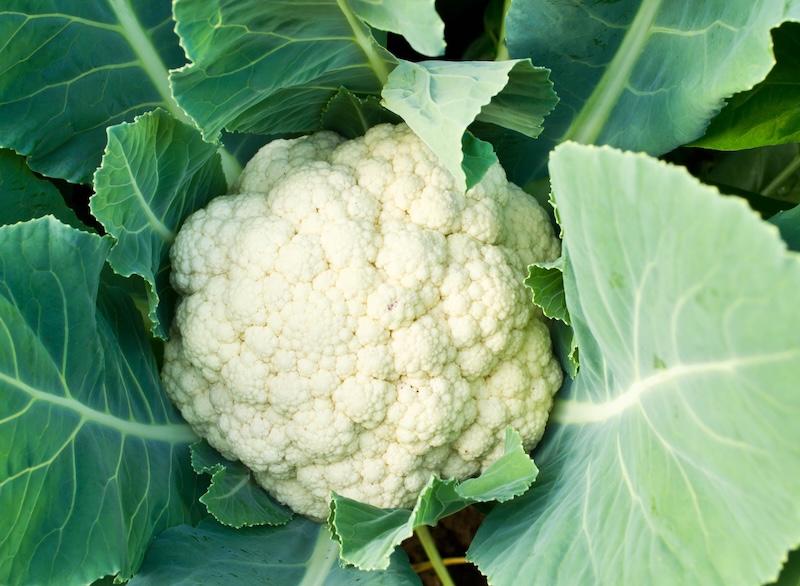 Like broccoli, cauliflower is a dense head of unopened flower buds. The most common variety is white, but there are also cauliflower varieties in shades of orange, purple, and green. These pigments are antioxidants, and for that reason, I like to pick colored varieties when available.
Cauliflower is a good source of vitamin C (when eaten raw), but this is lost when it’s cooked. It also contains significant amounts of folate, vitamin B6, and vitamin B5. It’s a good source of choline, which is used to make the neurotransmitter acetylcholine, used for memory in the brain.
Cauliflower is quite low in calories and high in fiber and can be eaten raw, steamed, or roasted. I like roasted cauliflower. I also like adding cauliflower to vegetable soups. Another great way to use cauliflower is to cook it with potatoes, then mash them together. This reduces the amount of calories in your mashed potatoes and increases the fiber.
I like to use cauliflower in curries. When I make a lamb curry, for instance, I like to include cauliflower and potatoes. I also like cauliflower crust pizza, which is gluten-free and lower in calories than a flour-based pizza crust. You can find various recipes for it online.
Kale
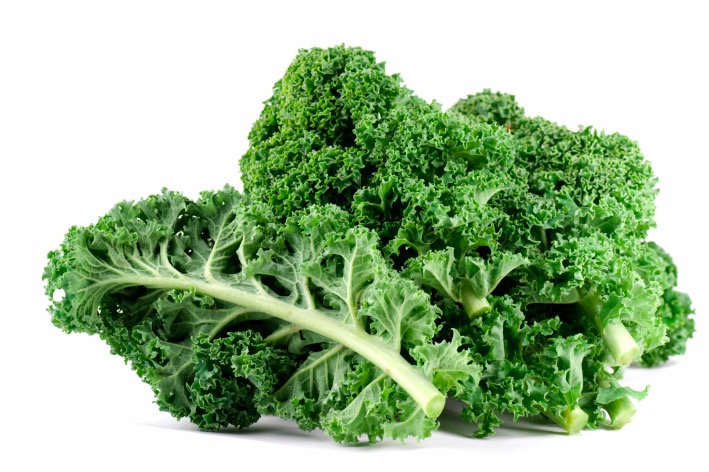 Unlike broccoli and cauliflower, kale is a leafy green vegetable. There are multiple varieties of kale and it is one of the most nutritious leafy vegetables on the planet. It is even considered super food. But, it is more bitter-tasting than broccoli and cauliflower, so it's not as easy to incorporate into your diet. The exact nutritional profile will depend on the variety, but kale is generally a good source of vitamin C and vitamin K.
Kale can be used in salads and also works well in soups, adding a flavor similar to cabbage but stronger. It’s a good addition to soups made with fatty meats, such as sausage. I've made a very nice soup from an organic Italian sausage and kale. Some people have juiced kale with fruits like apples to improve the flavor. Juicing greens is a great way to consume them as it preserves all the nutrients. Personally, I've never enjoyed drinking juiced greens, but I do take powdered green drinks that contain kale powder.
My favorite way to eat kale is to make kale chips. The great thing about kale chips is that I’ve been able to get children who don’t like vegetables to eat them. If you're looking for a fun way to eat your leafy green vegetables check out my recipe and give them a try.
Selected References
https://www.webmd.com/diet/health-benefits-cruciferous-vegetables
Steven's Articles
May
-

-
Cruciferous Vegetables
The Health Benefits of Broccoli, Cauliflower,…
April
-

-
Kale Chips
A fun way to eat your leafy, green vegetables
-

-
Ligustrum (Glossy Privet Fruits)
Ligustrum is a liver and kidney tonic that strengthens…
-

-
Bupleurum
An important Chinese herb for supporting the liver…
March
-

-
N-Acetylcysteine
An amino acid-based supplement for liver, eye,…
-

-
The Effects of Tryptophan on Health and Mood
L-Tryptophan and 5-HTP are important precursors…
-

-
The Exotic Scent of Ylang Ylang
Promoting sensual feelings, relaxing the nerves,…
-

-
The Uplifting Fragrance of Jasmine
Jasmine lifts depression, aids self-confidence,…
February
-

-
Reishi (Ganoderma) Mushroom
A TCM remedy for calming the shen (spirit), balancing…
-

-
Eucommia Bark
A superior tonic that promotes kidney, structural,…
January
-

-
Goldenthread, Phellodendron, and Yellow Root
Three herbal remedies containing the infection-fighting…
-

-
Teasel
A traditional herb for healing bones and joints…
-

-
Barberry and Healthy Personal Boundaries
A thorny shrub for fighting infections and supporting…
December
-

-
The Evidence for Berberine
A yellow alkaloid found in traditional infection-fighting…
-

-
The Sensible Use of Caffeinated Herbs
Kola nuts, guarana, and yerba mate and other herbs…
Steven Horne is an herbalist and healer who focuses on teaching others how they can start building health and stop treating disease.
-
-
Cruciferous Vegetables
The Health Benefits of Broccoli, Cauliflower, Kale,… | May 6, 2026
-
-
-
Kale Chips
A fun way to eat your leafy, green vegetables | April 30, 2026
-
-
-
Ligustrum (Glossy Privet Fruits)
Ligustrum is a liver and kidney tonic that strengthens… | April 28, 2026
-
-
-
Bupleurum
An important Chinese herb for supporting the liver… | April 6, 2026
-
-
-
N-Acetylcysteine
An amino acid-based supplement for liver, eye, lung,… | March 31, 2026
-
- More Articles
- Using Foods as MedicinesMay 26, 2026 6:00 pm MTMember webinar
- The Medicinal Kit in Your Kitchen CabinetJune 30, 2026 6:00 pm MTMember webinar
- Herbs & HomeopathyJuly 28, 2026 6:00 pm MTMember webinar
- The Amazing Benefits of AdaptogensAugust 25, 2026 6:00 pm MTMember webinar
- Silicon: The Overlooked NutrientSeptember 29, 2026 6:00 pm MTMember webinar
- More Webinars & Classes
Useful Links
Contact Us
Email: treelite@treelite.com
Steven Horne Creations
PO Box 1172
St. George, UT 84771
2026 © Steven Horne Creations, LLC. All Rights Reserved.