

I find the floral scents of rose, jasmine, and ylang ylang particularly relaxing and uplifting for me. I’ve already written about the first two, and this week I'll cover ylang ylang.
The essential oil of ylang ylang comes in different grades, and depending on the grade the scent is different. The fragrance of ylang ylang is floral and intensely sweet. The complete essential oil is also sweet, but has a more balsamic floral odor with a woody undertone. The higher grades of ylang ylang are used widely in making perfumes. The lower grades of ylang ylang is sweet and floral, but has a stronger wood-balsamic note and are usually used for things like soaps.
Ylang ylang has similar uses to jasmine, including being an aphrodisiac and antidepressant. Here are some of the uses of this sweet-smelling floral fragrance.
Ylang Ylang as an Aphrodisiac and Reproductive Aid
 In Indonesia, the flower petals of ylang ylang are spread on the bed of a newly married couple. The fragrance arouses the senses, having an erotic quality that draws out feelings of passion and sensuality. In my own aromatherapy model, the floral fragrances are more yin (or watery), arousing the heart and emotions, while the wood-balsamic notes are more earthy, helping ground a person in their body and senses. Ylang ylang has both qualities, opening the heart and grounding the person in their body and senses.
Ylang ylang has also been used to ease PMS symptoms. It is especially helpful for PMS associated with mood swings. It can be used with clary sage and/or neroli for this purpose. Ylang ylang is also said to stimulate breast growth.
Ylang Ylang and the Nervous System
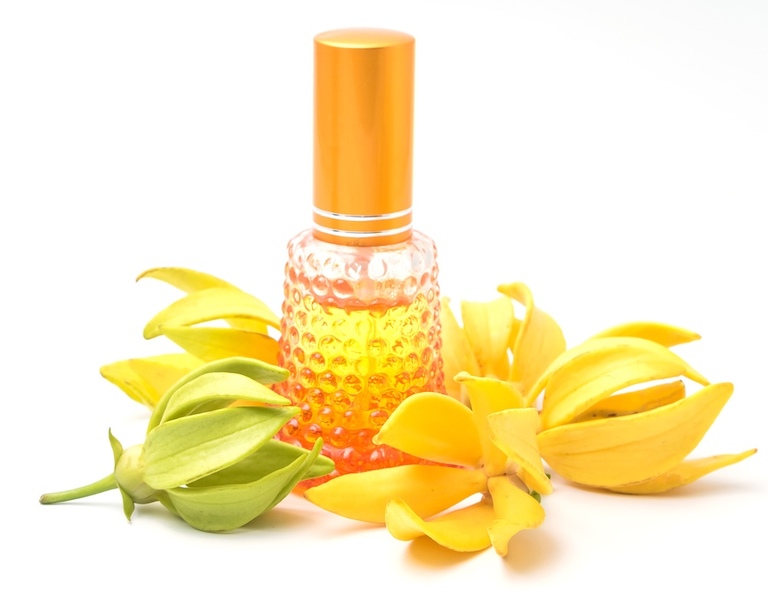 I find ylang ylang a particularly relaxing fragrance. It slows down the rapid breathing associated with anxiety and also helps to reduce high blood pressure. It can ease feelings of shock, anger, anxiety, and frustration. It is also an antidepressant, having an uplifting effect on the emotions. It can also ease tachycardia and heart palpitations associated with stress.
There’s a description of the personality profile for ylang ylang from Frischer-Rizzi quoted in Salvatore Battaglia’s The Complete Guide to Aromatherapy that I find particularly helpful in understanding the effects of this relaxing, but erotic fragrance.
“The spirit of ylang ylang usually fits the person naturally drawn to it. Upon inhaling ylang ylang with its heavy, seductive, sweet aroma, one can imagine a fiery, temperamental, passionate, and erotic person with an awesome radiance and confidence, never losing her balance. She would also dress in bright and colourful clothing and love to wear jewelry.”
The suggestion is ylang ylang would be beneficial for people, particularly women, who dress drably and don’t care about how they look. It helps people who are too hard on themselves come out of their shell and have the self-confidence to express themselves more passionately.
Ylang Ylang for the Skin
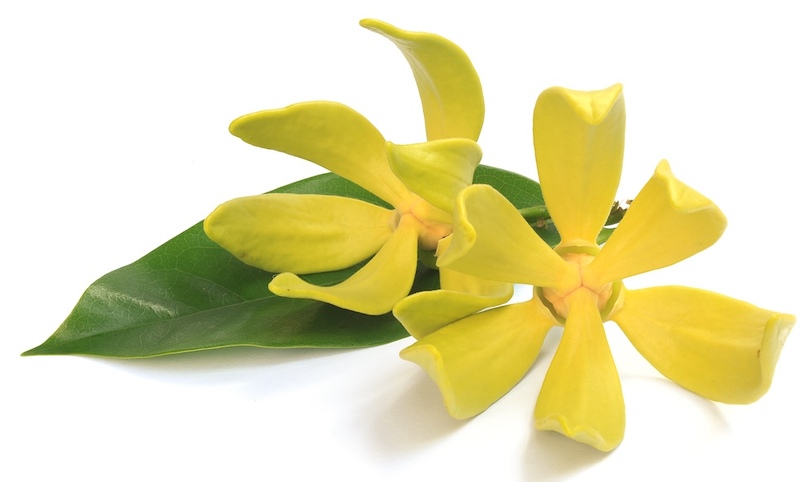 Used frequently as an ingredient in soaps, ylang ylang has balancing effects on sebum production. This means it can help to moisten dry skin or clear up oily skin. It can also be used in shampoo to help hair with split ends. The oil is antiseptic and anti-inflammatory so it can also help clear up other skin and scalp problems, including insect bites.
Using Ylang Ylang
Ylang Ylang oil should not be taken internally. It can be inhaled or applied topically. It is nontoxic and nonirritating when applied topically and can be used in a massage oil to ease anxiety, nervousness, and cramps. It can be inhaled to reduce anxiety, increase sex drive, aid sleep, and aid emotional balance. However, excessive inhalation of the oil may lead to headaches and nausea.
Steven's Articles
May
-

-
The Health Benefits of Cruciferous Root Vegetables
Radishes, turnips, and rutabagas aid detoxification,…
-

-
Watercress, Garden Cress, and Pennycress
Three valuable overlooked cruciferous vegetables…
-

-
Cruciferous Vegetables
The Health Benefits of Broccoli, Cauliflower,…
April
-

-
Kale Chips
A fun way to eat your leafy, green vegetables
-

-
Ligustrum (Glossy Privet Fruits)
Ligustrum is a liver and kidney tonic that strengthens…
-

-
Bupleurum
An important Chinese herb for supporting the liver…
March
-

-
N-Acetylcysteine
An amino acid-based supplement for liver, eye,…
-

-
The Effects of Tryptophan on Health and Mood
L-Tryptophan and 5-HTP are important precursors…
-

-
The Exotic Scent of Ylang Ylang
Promoting sensual feelings, relaxing the nerves,…
-

-
The Uplifting Fragrance of Jasmine
Jasmine lifts depression, aids self-confidence,…
February
-

-
Reishi (Ganoderma) Mushroom
A TCM remedy for calming the shen (spirit), balancing…
-

-
Eucommia Bark
A superior tonic that promotes kidney, structural,…
January
-

-
Goldenthread, Phellodendron, and Yellow Root
Three herbal remedies containing the infection-fighting…
-

-
Teasel
A traditional herb for healing bones and joints…
-

-
Barberry and Healthy Personal Boundaries
A thorny shrub for fighting infections and supporting…
Steven Horne is an herbalist and healer who focuses on teaching others how they can start building health and stop treating disease.
-
-
The Health Benefits of Cruciferous Root Vegetables
Radishes, turnips, and rutabagas aid detoxification,… | May 25, 2026
-
-
-
Watercress, Garden Cress, and Pennycress
Three valuable overlooked cruciferous vegetables with… | May 18, 2026
-
-
-
Cruciferous Vegetables
The Health Benefits of Broccoli, Cauliflower, Kale,… | May 6, 2026
-
-
-
Kale Chips
A fun way to eat your leafy, green vegetables | April 30, 2026
-
-
-
Ligustrum (Glossy Privet Fruits)
Ligustrum is a liver and kidney tonic that strengthens… | April 28, 2026
-
- More Articles
- Using Foods as MedicinesMay 26, 2026 6:00 pm MTMember webinar
- The Medicinal Kit in Your Kitchen CabinetJune 30, 2026 6:00 pm MTMember webinar
- Herbs & HomeopathyJuly 28, 2026 6:00 pm MTMember webinar
- The Amazing Benefits of AdaptogensAugust 25, 2026 6:00 pm MTMember webinar
- Silicon: The Overlooked NutrientSeptember 29, 2026 6:00 pm MTMember webinar
- More Webinars & Classes
Useful Links
Contact Us
Email: treelite@treelite.com
Steven Horne Creations
PO Box 1172
St. George, UT 84771
2026 © Steven Horne Creations, LLC. All Rights Reserved.