
This is my final article on the health benefits of vegetables from the mustard family, commonly known as cruciferous vegetables. Like all the other cruciferous vegetables I’ve recently written about, these vegetables contain sulfur compounds, which aid sulfation, a major liver detoxification pathway, and may help prevent cancer. They also have benefits for the immune system.
Radishes
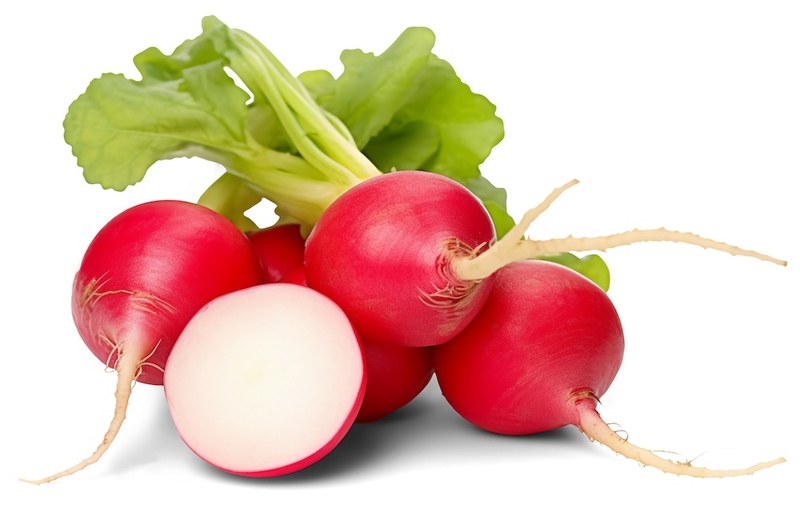 Sulfur accelerates protein metabolism and many cruciferous vegetables sprout quickly and grow rapidly. When I plant radishes in my garden they are typically the first seeds to sprout and are often ready to harvest even before leafy greens like lettuce or spinach. For that reason, I often mix radish seeds with the greens so I can harvest the radishes while I’m waiting for the other crops to be ready.
Radishes have that sulfur bite, which stimulates digestion and provides the health benefits for which these cruciferous vegetables are known. However, not all radishes have the same rapid spring growth. There are also winter radishes, which get much bigger and can be stored for longer periods. One of these is black radish.
Black Radish
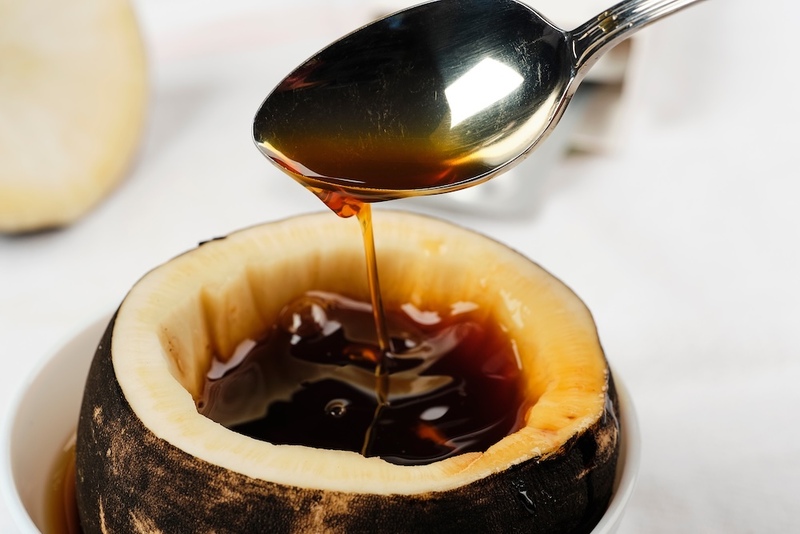 My wife and I made a radish cough syrup for me, as I tend to have respiratory weakness, and I was very pleased with how well it worked. You carve out a bowl shape in the top of the radish and stick it on top of a jar. You then put honey in the top of the radish and let the honey seep through into the jar. You could also make it by grating the radish and putting it in a jar with the honey. Allow it to sit for 12-24 hours and strain.
You can take about three Tablespoons of the syrup a day. It has benefits for the respiratory system, much like garlic and onions. It helps the body fight the infection and helps break up and expel the mucus.
Black radish also acts as a cholagogue, stimulating bile flow, and is a pungent, bitter digestive stimulant. It is used in Europe for people who have problems with fatty foods and digestive support after gall bladder surgery. It also helps reduce gas and bloating.
Radish Seeds
Radish seeds are used in traditional Chinese medicine (TCM) as a remedy for the respiratory and digestive systems. They are considered pungent and sweet in flavor and enter the stomach, spleen, and lung meridians. They are used to stimulate sluggish digestion and remove bloating and stagnation in the GI tract. They are also used to clear mucus from the lungs and ease coughing.
Turnips and Rutabagas
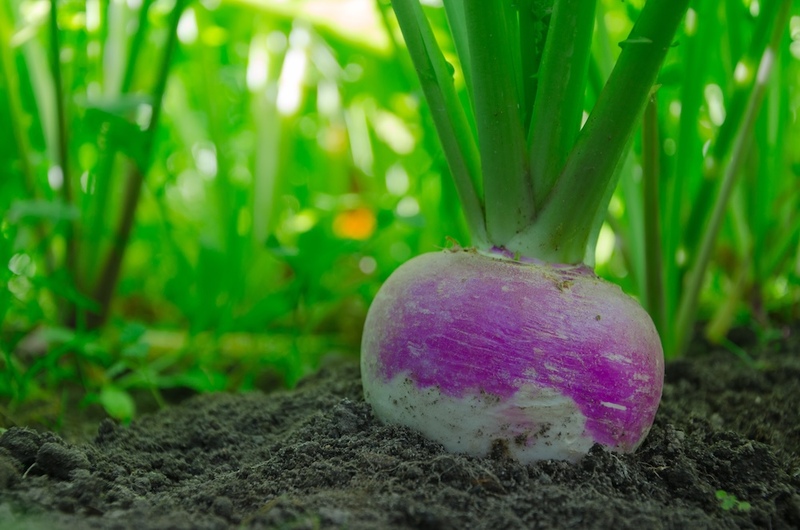 Turnips have a sulfuric bite to them like radishes do, but they are milder and sweeter in flavor. Rutabagas are milder and sweeter than turnips, and grocery stores are more likely to carry them than turnips. Both contain the same sulfur compounds found in other cruciferous vegetables that can boost your immune system, decongest your respiratory system, and aid detoxification, but they also have the advantage of being able to be stored like potatoes and other root vegetables, such as carrots, for wintertime use.
I’m mentioning them here because I think they are underutilized vegetables. Turnips in particular, have antimicrobial and expectorant activity so they could be consumed by people, like me, who have chronic respiratory problems. They can also stimulate digestion.
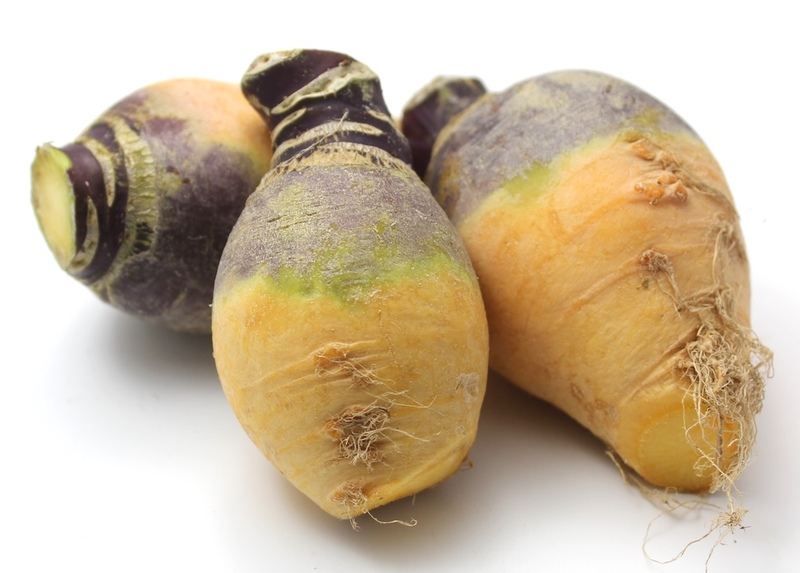 Turnips are the more medicinal of the two. I’ll eat turnips occasionally, but I like rutabaga better. I think it goes well in soups and stews with other vegetables like potatoes, carrots, and parsnips (another underutilized vegetable).
Given the problems we have in modern society with chemical exposure and the need to protect ourselves against cancer-causing chemicals, I think most of us would be better off eating more of these mustard-family vegetables. I also think many of us need to incorporate a wider range of fruits and vegetables into our diets for optimal health. I think too many of us rely on supplements when we should be leaning more heavily on natural plant foods as remedies for our health problems, which is why I’ll continue to write more articles on foods we can use as health-promoting medicines.
Steven's Articles
May
-

-
The Health Benefits of Cruciferous Root Vegetables
Radishes, turnips, and rutabagas aid detoxification,…
-

-
Cress: Three Overlooked Cruciferous Vegetables
Watercress, Garden Cress, and Pennycress have…
-

-
Cruciferous Vegetables
The Health Benefits of Broccoli, Cauliflower,…
April
-

-
Kale Chips
A fun way to eat your leafy, green vegetables
-

-
Ligustrum (Glossy Privet Fruits)
Ligustrum is a liver and kidney tonic that strengthens…
-

-
Bupleurum
An important Chinese herb for supporting the liver…
March
-

-
N-Acetylcysteine
An amino acid-based supplement for liver, eye,…
-

-
The Effects of Tryptophan on Health and Mood
L-Tryptophan and 5-HTP are important precursors…
-

-
The Exotic Scent of Ylang Ylang
Promoting sensual feelings, relaxing the nerves,…
-

-
The Uplifting Fragrance of Jasmine
Jasmine lifts depression, aids self-confidence,…
February
-

-
Reishi (Ganoderma) Mushroom
A TCM remedy for calming the shen (spirit), balancing…
-

-
Eucommia Bark
A superior tonic that promotes kidney, structural,…
January
-

-
Goldenthread, Phellodendron, and Yellow Root
Three herbal remedies containing the infection-fighting…
-

-
Teasel
A traditional herb for healing bones and joints…
-

-
Barberry and Healthy Personal Boundaries
A thorny shrub for fighting infections and supporting…
Steven Horne is an herbalist and healer who focuses on teaching others how they can start building health and stop treating disease.
-
-
The Health Benefits of Cruciferous Root Vegetables
Radishes, turnips, and rutabagas aid detoxification,… | May 25, 2026
-
-
-
Cress: Three Overlooked Cruciferous Vegetables
Watercress, Garden Cress, and Pennycress have valuable… | May 18, 2026
-
-
-
Cruciferous Vegetables
The Health Benefits of Broccoli, Cauliflower, Kale,… | May 6, 2026
-
-
-
Kale Chips
A fun way to eat your leafy, green vegetables | April 30, 2026
-
-
-
Ligustrum (Glossy Privet Fruits)
Ligustrum is a liver and kidney tonic that strengthens… | April 28, 2026
-
- More Articles
- Using Foods as MedicinesMay 26, 2026 6:00 pm MTMember webinar
- The Medicinal Kit in Your Kitchen CabinetJune 30, 2026 6:00 pm MTMember webinar
- Herbs & HomeopathyJuly 28, 2026 6:00 pm MTMember webinar
- The Amazing Benefits of AdaptogensAugust 25, 2026 6:00 pm MTMember webinar
- Silicon: The Overlooked NutrientSeptember 29, 2026 6:00 pm MTMember webinar
- More Webinars & Classes
Useful Links
Contact Us
Email: treelite@treelite.com
Steven Horne Creations
PO Box 1172
St. George, UT 84771
2026 © Steven Horne Creations, LLC. All Rights Reserved.