
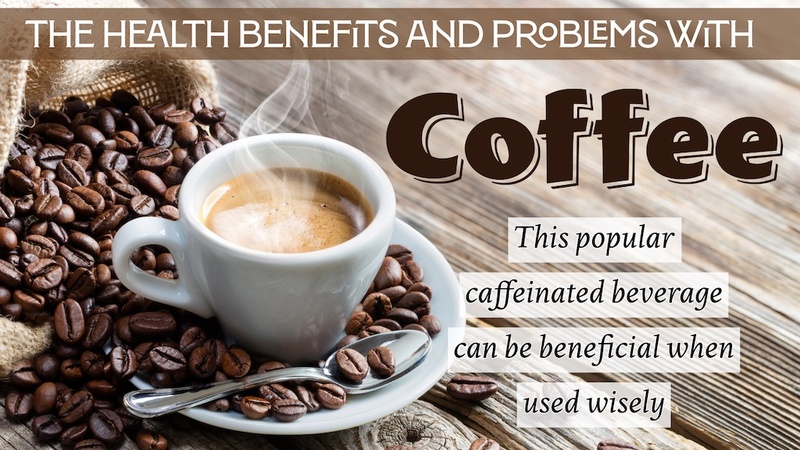
If we think of herbs as plants with medicinal properties, coffee should be considered a potent medicinal herb. It is widely used to reduce drowsiness and aid energy, with little caloric value. It is also a metabolic stimulant with several other potential medicinal benefits.
Because coffee is more medicine than food, it is important to consider how you use it, especially when it is taken in a concentrated and processed form. Often, how we consume something is as important as what we are eating or drinking. This is especially true for stimulants like, caffeine, for reasons I talked about in Understanding Caffeine & Cellular Adaptation. With that in mind, let's go over some of the benefits of drinking coffee and using it as a medicinal plant.
Benefits of Coffee Consumption
 A moderate amount of coffee (1-2 cups a day) can have multiple health benefits. To start with, coffee is a stimulant, helping to boost energy and concentration. But beyond that, it may help reduce the risk of diabetes, neurodegenerative diseases, and act as a tonic to the heart. Because coffee is bitter, it also stimulates digestive secretions, bile flow, and liver detoxification. It also stimulates intestinal peristalsis.
Coffee contains xanthones, antioxidant compounds that can protect the body from free radical damage. However, the antioxidant benefits of coffee are destroyed by roasting the beans, so the darker the roast, the less antioxidant benefit. The best antioxidant benefit comes from the green, unroasted beans. Green coffee beans also contain higher amounts of chlorogenic acid, an antioxidant with blood sugar-reducing effects. This antioxidant also helps prevent the buildup of fat in the liver, thereby reducing the risk of fatty liver disease. Of course, loading your coffee with sugar will negate a lot of these health benefits.
There is some evidence that coffee may benefit liver health in other ways, too. Some research suggests it may help prevent fibrosis and scarring of the liver. It may be beneficial in people with hepatitis C by inhibiting liver inflammation, as well.
Coffee Enemas
 Coffee has been used as a therapy to detoxify the liver. This therapy has been around for a long time, and I’ve tried it myself. The coffee is absorbed from the colon and transported to the liver, where it is believed to stimulate liver detoxification pathways. Coffee is not a good approach to constipation; that’s best dealt with in other ways, but it can help cleanse the liver to ease chronic headaches, muscle aches and pains, brain fog, and fatigue. Coffee enemas are also a part of the Gerson cancer therapy protocol.
Coffee enemas are best done with coffee made from raw (green) coffee beans or from a light roast coffee, as many of the beneficial effects of coffee are destroyed in darker roasts as described above. There are also some contraindications for coffee enemas. They shouldn’t be used if you have any kind of bleeding or ulceration in your GI tract. They should also be avoided if you have hypertension, tachycardia, diarrhea, or are pregnant. Otherwise, I think coffee enemas are safe when not overused.
Coffee Consumption
 As I wrote in my article on caffeine, I didn’t grow up drinking coffee. Now, I drink it fairly regularly. I recently took a break from it for several weeks, but started having a small amount daily (about 1-2 cups) again because I feel better having a little coffee. According to the Blood Type Diet, coffee acts as a tonic for people with blood type A, which is what I am. I have a tendency to low blood pressure when moving from sitting to standing and a tendency to adrenal weakness, so I find it beneficial as a daily tonic. I’ve also known quite a few other people who claim that it helps their health as well.
But, if you want to use coffee to boost your energy, don't drink it every day. This is because your body will adapt to it, and you won’t get the same boost of concentration and energy. Instead, you’ll end up needing to consume it daily just to maintain your normal energy levels, and you will feel more tired if you don’t. So, try to only drink it when you really need a boost of energy to stay alert or enhance concentration. Of course, if you do drink a moderate amount of coffee daily, you can drink more when you need that boost of energy, but don’t increase the amount you drink regularly as your body will simply adapt to the higher amount.
I believe overconsumption of coffee, especially when combined with other stimulants, is a real problem and is more common than I'd like to think. This can lead to major problems like the woman I mentioned in my last article, who was both smoking and drinking a pot of coffee every day. She was suffering from high blood pressure, anxiety, and insomnia, and was taking medications for these problems. So on the one side she was using coffee and tobacco, both of which can increase blood pressure and anxiety, and on the other, she was taking medications to counteract these effects.
So, if you have high blood pressure, tachycardia, or heart palpitations, suffer from anxiety or insomnia, or have problems with diarrhea, I would suggest you avoid coffee if you’re drinking a lot of it, and back off gradually so your system can adjust. I would also suggest switching to a lighter roast to get more of the health benefits. There are also coffee blends that contain medicinal mushrooms, which seem to modulate some of the negative effects of coffee, which could also be helpful. Dumping a lot of sugar into the coffee is also going to negate its positive effects. If you need to sweeten your coffee (I do), try using honey, xylitol, or some type of raw sugar. I don't think adding a little organic cream is a problem either, but I'd avoid the non-dairy creamers with all their chemicals. I’d also recommend using organic coffee. You can also use green coffee beans in herbal formulas for energy, depression, and weight loss.
Selected References for More Information
- https://health.clevelandclinic.org/is-coffee-good-for-your-liver
- https://gerson.org/coffee-enema-8-things-you-need-to-know/
- https://www.healthline.com/nutrition/top-evidence-based-health-benefits-of-coffee#fitness
Downloads

Steven's Articles
May
-

-
The Health Benefits of Cruciferous Root Vegetables
Radishes, turnips, and rutabagas aid detoxification,…
-

-
Watercress, Garden Cress, and Pennycress
Three valuable overlooked cruciferous vegetables…
-

-
Cruciferous Vegetables
The Health Benefits of Broccoli, Cauliflower,…
April
-

-
Kale Chips
A fun way to eat your leafy, green vegetables
-

-
Ligustrum (Glossy Privet Fruits)
Ligustrum is a liver and kidney tonic that strengthens…
-

-
Bupleurum
An important Chinese herb for supporting the liver…
March
-

-
N-Acetylcysteine
An amino acid-based supplement for liver, eye,…
-

-
The Effects of Tryptophan on Health and Mood
L-Tryptophan and 5-HTP are important precursors…
-

-
The Exotic Scent of Ylang Ylang
Promoting sensual feelings, relaxing the nerves,…
-

-
The Uplifting Fragrance of Jasmine
Jasmine lifts depression, aids self-confidence,…
February
-

-
Reishi (Ganoderma) Mushroom
A TCM remedy for calming the shen (spirit), balancing…
-

-
Eucommia Bark
A superior tonic that promotes kidney, structural,…
January
-

-
Goldenthread, Phellodendron, and Yellow Root
Three herbal remedies containing the infection-fighting…
-

-
Teasel
A traditional herb for healing bones and joints…
-

-
Barberry and Healthy Personal Boundaries
A thorny shrub for fighting infections and supporting…
Steven Horne is an herbalist and healer who focuses on teaching others how they can start building health and stop treating disease.
-
-
The Health Benefits of Cruciferous Root Vegetables
Radishes, turnips, and rutabagas aid detoxification,… | May 25, 2026
-
-
-
Watercress, Garden Cress, and Pennycress
Three valuable overlooked cruciferous vegetables with… | May 18, 2026
-
-
-
Cruciferous Vegetables
The Health Benefits of Broccoli, Cauliflower, Kale,… | May 6, 2026
-
-
-
Kale Chips
A fun way to eat your leafy, green vegetables | April 30, 2026
-
-
-
Ligustrum (Glossy Privet Fruits)
Ligustrum is a liver and kidney tonic that strengthens… | April 28, 2026
-
- More Articles
- Using Foods as MedicinesMay 2026Member webinar
- The Medicinal Kit in Your Kitchen CabinetJune 30, 2026 6:00 pm MTMember webinar
- Herbs & HomeopathyJuly 28, 2026 6:00 pm MTMember webinar
- The Amazing Benefits of AdaptogensAugust 25, 2026 6:00 pm MTMember webinar
- Silicon: The Overlooked NutrientSeptember 29, 2026 6:00 pm MTMember webinar
- More Webinars & Classes
Useful Links
Contact Us
Email: treelite@treelite.com
Steven Horne Creations
PO Box 1172
St. George, UT 84771
2026 © Steven Horne Creations, LLC. All Rights Reserved.