
If you want to be healthy, eat your vegetables! That’s something I’ve heard since I was a child, and I'm sure you have, too. But one problem with that advice is that it’s not specific enough. Many of the vegetables Americans eat are nightshades—tomatoes, potatoes, and peppers. They’re OK, but they eating French fries, boiled pealed potatoes, or tomato sauce isn't going to do that much for your health. In fact many people are either allergic to nightshades or find they aggrevate health problems like arthritis because of some of the alkaloids they contain.
One group of vegetables that most people can eat more of if they want to improve their health is vegetables from the mustard family, which are collectively known as cruciferous vegetables. These vegetables tend to be low-calorie, high-fiber, nutrient-dense foods that support gut health, immunity, weight management, and blood sugar balance. The sulfur compounds in them help us detoxify cancer-causing chemicals, and they tend to be alkalizing and anti-inflammatory.
I’ve written already written about the more popular cruciferous vegetables broccoli, cauliflower, kale, and cabbage. In this article, I want to discuss three lesser-known, but perhaps even more valuable, cruciferous vegetables—water cress, penny cress, and garden cress. These vegetables are not only nutritious, but they have also been used as herbal medicines in various cultures.
Watercress (Nasturtium officinale)
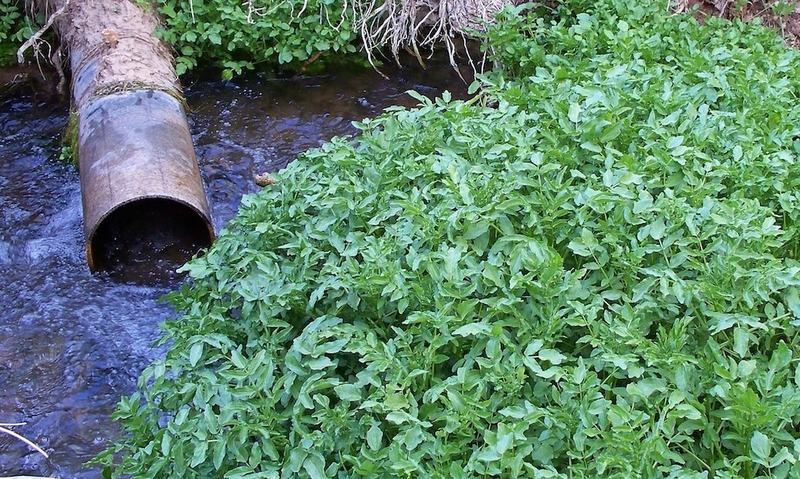 Hiking around in Utah, I often found watercress growing in shallow, slow-moving streams (as shown in the picture I took on the right). I’ve even seen it in the grocery store a few times. Watercress is low in calories; one cup provides only four calories. It is a circulatory and metabolic stimulant, so it’s a great food to “fill you up” and help you lose weight. That same cup has the full RDA for vitamin K, which is important for blood clotting and bone health.
Watercress, like other members of this family, has sulfur compounds that can help protect you against cancer. But it can also be used medicinally to aid recovery from colds and flu. It’s a mild decongestant and expectorant that can help rid the body of excess mucus. Watercress is also a good source of nitrates, which help make nitric oxide. Nitric oxide helps lower blood pressure, improve blood flow, and make exercise easier. It was also used in Paavo Airola's traditional formula for colds and flu.
If you can find fresh watercress, the best way to use it is to eat it raw. Chewing on it creates the sulfur compounds that support your liver and immune system. If you harvest it in the wild, as I do, be sure to harvest it from uncontaminated water. Wash it thoroughly to remove any pathogens that may be present in the water from which you’re harvesting. When I pick it and eat it immediately, I only pick the part growing out of the water.
Garden cress (Lepidium sativum)
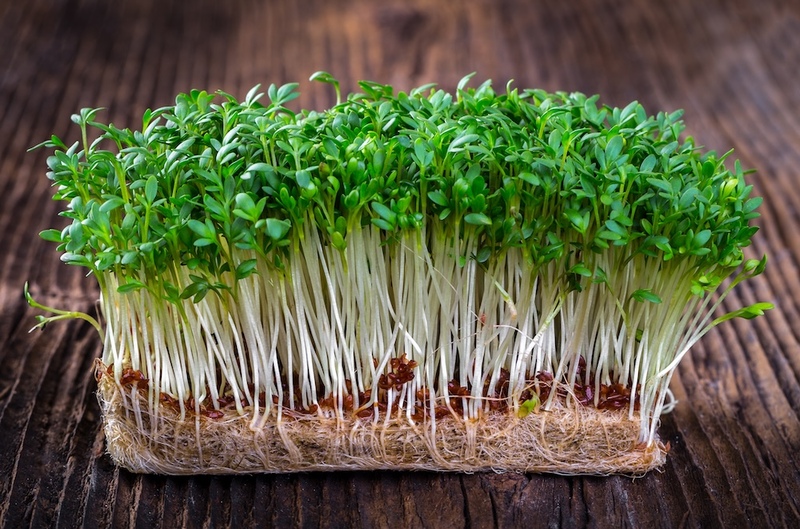 I don't have a good place to grow watercress, but I’m ordering seeds so I can grow garden cress, also known as curly cress. This variety of cress is easy to grow, whether in the garden or as sprouts, and has a similar tangy flavor to watercress. You can eat garden cress like watercress, but it also has a history of use as an Ayurvedic remedy, and I discovered that there’s been some good research done on its health and medicinal benefits.
Here’s a quote from an article in the Journal of Agriculture and Food Research entitled, “Garden cress seed: A review of its functional and medicinal properties.”
GCS has been used to treat conditions such as asthma, diarrhea, muscle pain, inflammation, bone fractures, and skin-related problems. These seeds exhibit numerous therapeutic properties, including anti-inflammatory, antioxidant, hepatoprotective, anti-hyperglycemic, cardio-protective, and hypocholesterolemic effects.
Some potential health benefits of eating garden cress greens include reducing inflammation and oxidative stress, supporting cardiovascular health, and protecting the liver. The seeds appear to be a hepatoprotective agent and have been used as a cough remedy in Ayurveda. There’s even research to support its traditional use in Ayurvedic Medicine as a bone-healer. Like watercress, the best way to use it is to eat it fresh or raw. You can also harvest the seeds and make a tincture from them to use as a medicine (or just eat them).
Field Pennycress (Thlaspi arvense)
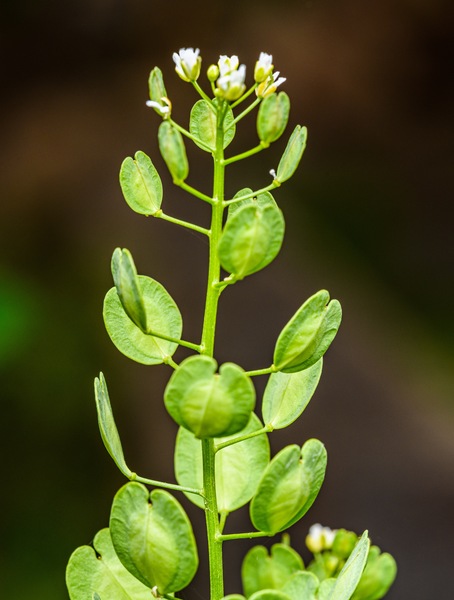 This plant came to my attention because it's listed as an ingredient in a Chinese formula I use for herpes and other viral infections. While researching this ingredient, I made an error, which is easy to do when researching less well-known medicinal plants.
Looking up the Latin name, Thlaspi, in the major book I use for researching Chinese herbs, the index pointed me to an entry plant about a plant with the Latin name Patrinia scabiosaefolia. They've been reclassifying plants, so sometimes the problem is just a change in the Latin name, which was my first assumption, but as I researched more deeply, I found out that the genus Patrinia and the genus Thlaspi are two completely different plants in completely different plant families.
I was eventually able to sort out the traditional uses of field pennycress, which is an invasive weed in North America. I've seen it and eaten some more than once. It is an edible plant with a mustardy tang, but it is more bitter than watercress or garden cress. You can eat some of the young greens and the seeds can also be used to make a mustard-like condiment. In this case, the greens would be a mild alterative or cleansing agent, supporting liver detoxification. The seeds have been used in Tibetan medicine to treat pus (infection) in the lungs, intestinal inflammation, dysmenorrhea, and endometriosis. Since this plant is considered an invasive weed in North America, feel free to harvest it and experiment with it as you like.
There is also some information about Field Pennycress in an article I wrote about Wild Spring Mustards. There are many interesting wild mustards with potential uses as health foods and herbal medicines. You can refer to my article Wild Spring Mustards. That article lists a lot of other wild mustard species that are plentiful and could easily be used for food and/or medicine. You can also check out some of the references below to learn more about using the cress varieties discussed in this article.
Additional References
- https://www.whiterabbitinstituteofhealing.com/herbs/watercress/
- https://www.healthline.com/nutrition/watercress-benefits
- https://www.healthbenefitstimes.com/science-backed-health-benefits-of-garden-cress-lepidium-sativum/
- https://www.easyayurveda.com/garden-cress-lepidium-sativum-uses-side-effects-research/
- https://www.healthline.com/nutrition/garden-cress-seeds
- https://www.naturalmedicinalherbs.net/herbs/t/thlaspi-arvense=pennycress.php
- https://ask-ayurveda.com/wiki/article/6020-thlaspi-arvense
Steven's Articles
May
-

-
Cress: Three Overlooked Cruciferous Vegetables
Watercress, Garden Cress, and Pennycress have…
-

-
Cruciferous Vegetables
The Health Benefits of Broccoli, Cauliflower,…
April
-

-
Kale Chips
A fun way to eat your leafy, green vegetables
-

-
Ligustrum (Glossy Privet Fruits)
Ligustrum is a liver and kidney tonic that strengthens…
-

-
Bupleurum
An important Chinese herb for supporting the liver…
March
-

-
N-Acetylcysteine
An amino acid-based supplement for liver, eye,…
-

-
The Effects of Tryptophan on Health and Mood
L-Tryptophan and 5-HTP are important precursors…
-

-
The Exotic Scent of Ylang Ylang
Promoting sensual feelings, relaxing the nerves,…
-

-
The Uplifting Fragrance of Jasmine
Jasmine lifts depression, aids self-confidence,…
February
-

-
Reishi (Ganoderma) Mushroom
A TCM remedy for calming the shen (spirit), balancing…
-

-
Eucommia Bark
A superior tonic that promotes kidney, structural,…
January
-

-
Goldenthread, Phellodendron, and Yellow Root
Three herbal remedies containing the infection-fighting…
-

-
Teasel
A traditional herb for healing bones and joints…
-

-
Barberry and Healthy Personal Boundaries
A thorny shrub for fighting infections and supporting…
December
-

-
The Evidence for Berberine
A yellow alkaloid found in traditional infection-fighting…
Steven Horne is an herbalist and healer who focuses on teaching others how they can start building health and stop treating disease.
-
-
Cress: Three Overlooked Cruciferous Vegetables
Watercress, Garden Cress, and Pennycress have valuable… | May 18, 2026
-
-
-
Cruciferous Vegetables
The Health Benefits of Broccoli, Cauliflower, Kale,… | May 6, 2026
-
-
-
Kale Chips
A fun way to eat your leafy, green vegetables | April 30, 2026
-
-
-
Ligustrum (Glossy Privet Fruits)
Ligustrum is a liver and kidney tonic that strengthens… | April 28, 2026
-
-
-
Bupleurum
An important Chinese herb for supporting the liver… | April 6, 2026
-
- More Articles
- Using Foods as MedicinesMay 26, 2026 6:00 pm MTMember webinar
- The Medicinal Kit in Your Kitchen CabinetJune 30, 2026 6:00 pm MTMember webinar
- Herbs & HomeopathyJuly 28, 2026 6:00 pm MTMember webinar
- The Amazing Benefits of AdaptogensAugust 25, 2026 6:00 pm MTMember webinar
- Silicon: The Overlooked NutrientSeptember 29, 2026 6:00 pm MTMember webinar
- More Webinars & Classes
Useful Links
Contact Us
Email: treelite@treelite.com
Steven Horne Creations
PO Box 1172
St. George, UT 84771
2026 © Steven Horne Creations, LLC. All Rights Reserved.