

N-acetylcysteine (NAC) is a stabilized form of the non-essential amino acid, cysteine. Cysteine can be obtained from the diet, but the body can also synthesize it from methionine. Both cysteine and methionine are sulfur-based amino acids, which can be obtained from a variety of foods such as poultry, yogurt, egg yolks, red peppers, garlic, onions, and broccoli.
As a supplement, NAC is important because it is a precursor to the manufacture of glutathione. Glutathione is synthesized from cysteine and two other amino acids—glutamate and glycine—and is a powerful antioxidant important for liver, eye, and general health. So, NAC is valuable as a supplement due to the many functions of glutathione.
Understanding Glutathione
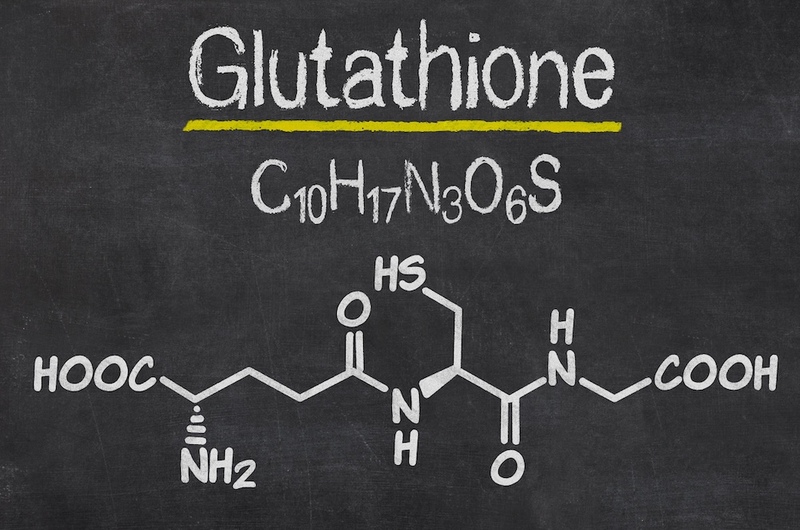 Found in all cells of the body, glutathione works inside the cells to neutralize free radicals. Free radicals are molecules that lack electrons and borrow or steal them from other molecules, a process known as oxidation. Oxidation can damage cellular structures and is associated with chronic inflammation, aging processes, and the development of chronic and degenerative diseases. Antioxidants are important to health because they protect the body from this damage, and glutathione helps other antioxidants work better.
Glutathione is also used in one of the detoxification pathways in the liver. This pathway, known as glutathione conjugation, is the major pathway for the elimination of heavy metals. Exposure to heavy metals depletes glutathione levels. Glutathione conjugation also eliminates petrochemical solvents, herbicides, fungicides, nicotine, and alcohol.
N-Acetylcysteine for Liver Health
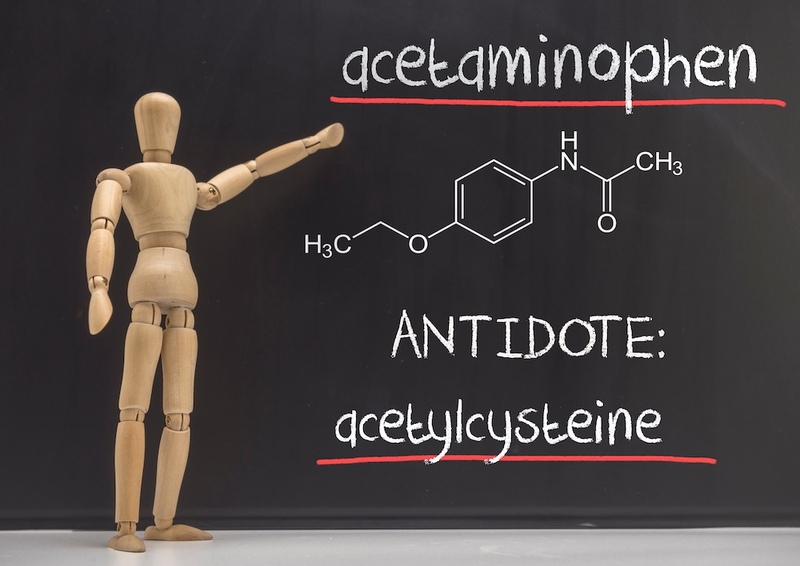 By upregulating glutathione production, NAC can help protect tissues from oxidative stress. It is especially helpful for protecting the liver and the eyes. These two organs are very susceptible to oxidative damage and need more glutathione because of it. The liver needs antioxidants because the process of converting toxins into water-soluble substances creates free radicals that must be neutralized to protect liver tissues. NAC has a hepatoprotective effect, supporting general liver health and the liver’s ability to neutralize toxins.
Because it also increases glutathione production, which protects the liver from oxidative stress and aids glutathione conjugation, NAC is a valuable supplement for detoxifying from heavy metals and other chemicals. It is used in hospitals to treat acetaminophen toxicity from Tylenol overdose. It can also help with alcohol poisoning and counteracting side effects of chemotherapy drugs.
For supporting heavy metal and chemical detoxification, NAC combines well with hepatoprotective herbs like milk thistle, lycium, and schisandra. It can also be used with other supplements that support liver detoxification, such as L-methionine, indole-3-carbinol, and alpha lipoic acid.
N-Acetylcysteine and Eye Health
 In traditional Chinese medicine, the health of the liver is linked to the health of the eyes. Many liver herbs, such as lycium, are also said to brighten the eyes. One possible reason for this connection is that the eyes are also highly subject to free radical damage because light energy creates oxidative stress.
Plants protect themselves from light damage by producing free radical compounds to neutralize the oxidative stress from sunlight, and the eyes need the same protection. Most eye diseases, including macular degeneration, diabetic retinopathy, and cataracts, appear to be related to this oxidative damage to eye tissue from a lack of antioxidant nutrients. So, NAC also has value for protecting eye health.
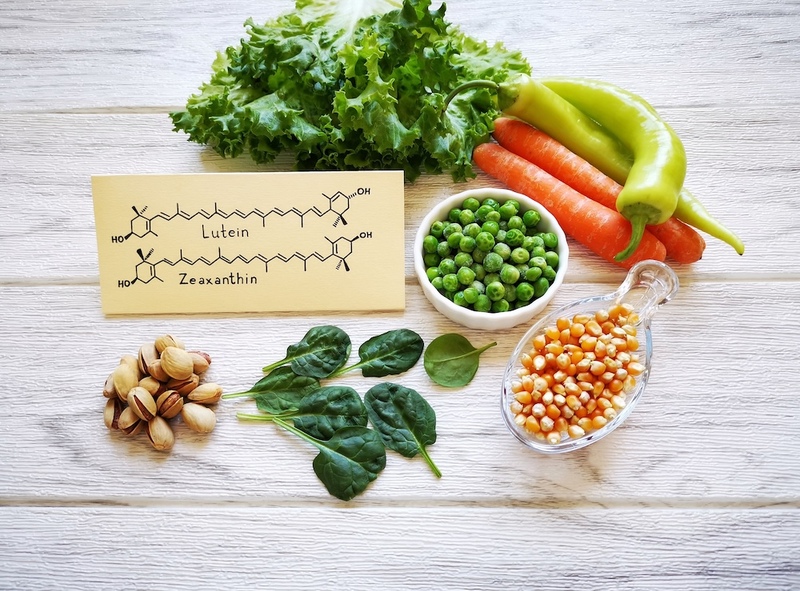
For eye health, NAC works well in formulas with the antioxidant pigments found in many plants, lutein, and zeaxanthin. Bilberries can also contribute antioxidant protection for the eyes, as can the nutrients beta-carotene, vitamin C, and zinc.
N-Acetylcysteine and Respiratory Health
The lungs are also subject to free radical damage, particularly in smokers or people exposed to a lot of smoke or air pollutants. So, NAC supplements can also be helpful for the lungs. One of its primary benefits is its mucolytic action. Mucus proteins have a disulfide bond. NAC breaks down this bond, thinning down the mucus, making it more watery and easy to expel. It’s even used in modern medicine for this purpose.
NAC is helpful for bronchitis with thick, heavy mucus and chronic-obstructive-pulmonary disease (COPD). It’s also helpful for smokers cough and I think it would be a good supplement for any smoker to take regularly and continue taking for a few months even after they quit. NAC may also be helpful for symptomatic relief in cystic fibrosis.
Other Potential NAC Benefits
The cysteine in NAC helps to eliminate excess copper, which has been linked to behavioral problems, especially excessive aggression. Cysteine is also part of the glucose tolerance factor and is used in insulin production.
NAC has been used in combination with nitroglycerine for angina. Nitroglycerine helps produce nitric oxide, which dilates blood vessels. The amino acid l-arginine also helps produce nitric oxide in doses of 5,000 mg or more, and NAC has been added to supplements for reducing blood pressure with l-arginine. NAC also benefits heart health because it helps break down the inflammatory compound homocysteine, which is linked to increased risk of heart disease.
Using N-Acetylcysteine
Although NAC can be taken as a single supplement at a dose of between 300 and 1,200 mg per day, I recommend taking it as part of a formula that contains other ingredients that target it towards its intended therapeutic purpose. In particular, look for it in liver detoxification formulas, eye health formulas, and formulas for heavy metal detoxification. The exception to the above would be using it for respiratory problems, with the dose being around 300-600 mg a day. However, I think that taking herbal decongestants would probably be more helpful in the long run.
Steven's Articles
May
-

-
The Health Benefits of Cruciferous Root Vegetables
Radishes, turnips, and rutabagas aid detoxification,…
-

-
Watercress, Garden Cress, and Pennycress
Three valuable overlooked cruciferous vegetables…
-

-
Cruciferous Vegetables
The Health Benefits of Broccoli, Cauliflower,…
April
-

-
Kale Chips
A fun way to eat your leafy, green vegetables
-

-
Ligustrum (Glossy Privet Fruits)
Ligustrum is a liver and kidney tonic that strengthens…
-

-
Bupleurum
An important Chinese herb for supporting the liver…
March
-

-
N-Acetylcysteine
An amino acid-based supplement for liver, eye,…
-

-
The Effects of Tryptophan on Health and Mood
L-Tryptophan and 5-HTP are important precursors…
-

-
The Exotic Scent of Ylang Ylang
Promoting sensual feelings, relaxing the nerves,…
-

-
The Uplifting Fragrance of Jasmine
Jasmine lifts depression, aids self-confidence,…
February
-

-
Reishi (Ganoderma) Mushroom
A TCM remedy for calming the shen (spirit), balancing…
-

-
Eucommia Bark
A superior tonic that promotes kidney, structural,…
January
-

-
Goldenthread, Phellodendron, and Yellow Root
Three herbal remedies containing the infection-fighting…
-

-
Teasel
A traditional herb for healing bones and joints…
-

-
Barberry and Healthy Personal Boundaries
A thorny shrub for fighting infections and supporting…
Steven Horne is an herbalist and healer who focuses on teaching others how they can start building health and stop treating disease.
-
-
The Health Benefits of Cruciferous Root Vegetables
Radishes, turnips, and rutabagas aid detoxification,… | May 25, 2026
-
-
-
Watercress, Garden Cress, and Pennycress
Three valuable overlooked cruciferous vegetables with… | May 18, 2026
-
-
-
Cruciferous Vegetables
The Health Benefits of Broccoli, Cauliflower, Kale,… | May 6, 2026
-
-
-
Kale Chips
A fun way to eat your leafy, green vegetables | April 30, 2026
-
-
-
Ligustrum (Glossy Privet Fruits)
Ligustrum is a liver and kidney tonic that strengthens… | April 28, 2026
-
- More Articles
- Using Foods as MedicinesMay 2026Member webinar
- The Medicinal Kit in Your Kitchen CabinetJune 30, 2026 6:00 pm MTMember webinar
- Herbs & HomeopathyJuly 28, 2026 6:00 pm MTMember webinar
- The Amazing Benefits of AdaptogensAugust 25, 2026 6:00 pm MTMember webinar
- Silicon: The Overlooked NutrientSeptember 29, 2026 6:00 pm MTMember webinar
- More Webinars & Classes
Useful Links
Contact Us
Email: treelite@treelite.com
Steven Horne Creations
PO Box 1172
St. George, UT 84771
2026 © Steven Horne Creations, LLC. All Rights Reserved.