
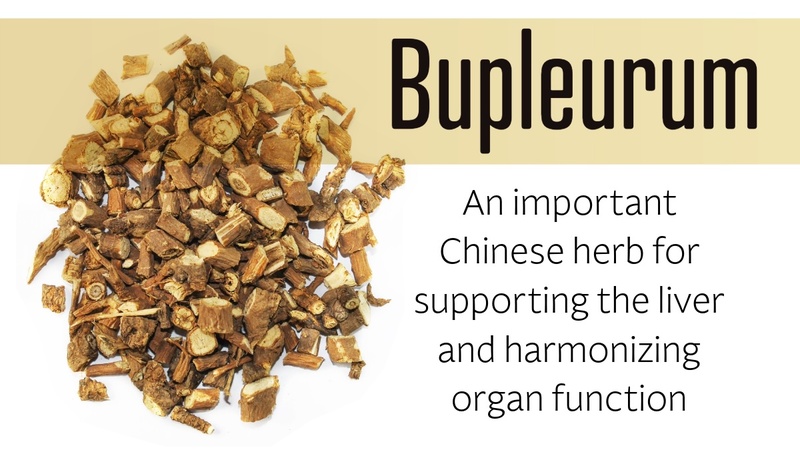
Bupleurum is an important herb for supporting liver health. It is a member of the parsley family and the roots are used in traditional Chinese medicine (TCM). In TCM it is used as a harmonizing herb which means that it helps when symptoms seem vague, unrelated, and/or sporadic. The liver is a harmonizing organ, because it helps all the other organs get along with each other.
This makes sense from a Western medical perspective, because the liver is the body’s biochemical mastermind, containing hundreds of enzyme systems that transform nutrients into usable forms and toxins into water-soluble compounds that can be excreted through the colon (via the bile ducts) or the kidneys. It also breaks down excess hormones and neurotransmitters, helping keep body processes in balance.
Understanding Moderate Liver Dysfunction
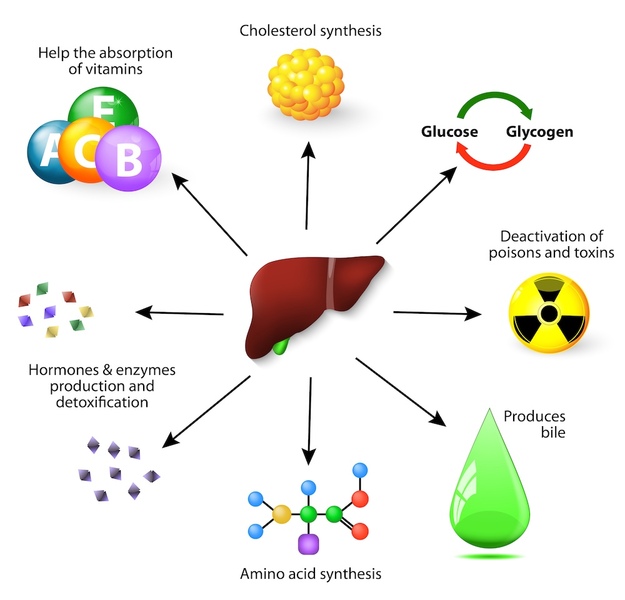 Many modern diets contribute to liver congestion or moderate liver dysfunction which can be the source of these confusing problems, because the liver is unable to perform the many functions other organs and systems depend on.
I first learned about this idea from Food is Your Best Medicine by Dr. Henry Bieler and Diet and Nutrition by Rudolph Ballentine. Dr. Bieler called the liver the “second line of immune defense” because the blood coming from the intestines is filtered through the liver before returning to the heart.
Dr. Ballentine helped me understand this even better. He discussed how the symptoms of moderate liver dysfunction are vague and hard to pin down. Essentially someone with moderate liver dysfunction just doesn’t feel good, but there is nothing pathologically wrong with them.
He also said that although this dysfunction was described in many traditional systems of medicine, modern doctors aren't trained to recognize this problem. In Diet and Nutrition Dr. Ballentine points out the humor in how they can stumble into identifying the problem without diagnosing it:
...many physicians become frustrated with the liver patient, his multitude of odd complaints, and his consistently negative laboratory tests. Any pain he may experience will usually be in the vicinity of the liver on the right side under the ribs, an area termed, anatomically, the hypochondrium. Intriguingly enough, it is often the liver patient whom the busy and baffled doctor is likely to call a hypochondriac, revealing the diagnosis without realizing it!
Any time someone comes to me who has been given conflicting health assessments, has vague unrelated symptoms, or has been labelled a hypochondriac, I immediately look to decongesting the liver as the answer. And, the formula I've typically used for this is a Chinese Wood-Decreasing Formula which includes bupleurum as the key ingredient or emperor of the formula. This formula corrects constricted liver qi and even the name in TCM, Tiao He, means “mediate harmony.”
Bupleurum in TCM
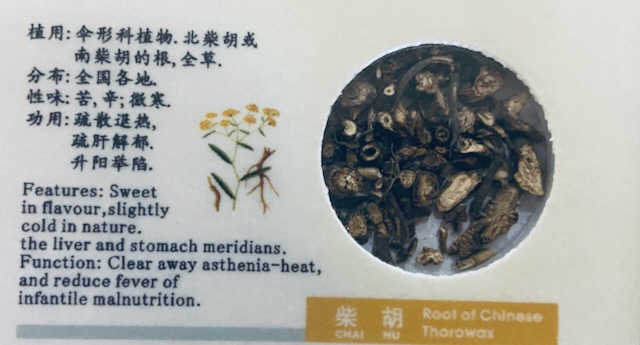 Bupleurum is aromatic, bitter, and mildly acrid. It is a stimulating herb and helps to improve blood flow in the liver, helping to ease liver stagnation or deficient yang of the liver. Entering the liver and gallbladder meridians, it helps ease the symptoms Dr. Bieler and Dr. Ballantine associated with moderate liver dysfunction. It can also be helpful for jaundice and disharmony between the liver and spleen, which causes problems like indigestion, abdominal bloating, nausea, hemorrhoids, and diarrhea.
The herb is anti-inflammatory and has a mild hepatoprotective effect. It also contains saikosides that may strengthen liver function and protect the liver from toxicity, even in those with immune system disorders.
Bupleurum is specifically helpful for symptoms such as PMS with anxiety and irritability, dizziness, emotional instability, excessive anger, and acute problems with the liver, such as jaundice. It has a general stabilizing effect on mood, helping relax internal tension and reduce feelings of irritability, anxiety, and stress. The Chinese say it helps to dredge feelings of anger and sadness from the liver.
Bupleurum is also anti-inflammatory and febrifuge. It is used to treat intermittent fevers, that is, alternating fever and chills. It also helps ease fevers where there is a bitter taste in the mouth. Another indication for bupleurum is sinking qi, which manifests as a prolapse of abdominal organs, such as a prolapsed uterus or colon. It may help with diarrhea and hemorrhoids as well.
Using Bupleurum
As a single herb, the recommended dose for buplerum is 3-12 grams daily. The Chinese usually take it as a decoction. Put 1 Tablespoon of the dried herb in a quart of water, simmer for 20 minutes, and drink 1 cup three times a day. You can also use it in tincture form as directed on the bottle. Be aware that excessive doses may cause nausea.
I recommend taking bupleurum as part of a formula. It is in many Chinese herbal formulas I’ve used, such as the Wood-Decreasing Formula that mediates harmony, the Chinese Wood-Increasing Formula which helps to build the blood, one of the functions of the liver. It’s also in a Chinese formula I use for chronic viral conditions, the Chinese Wind-Heat Evil Formula and the Chinese Qi-Regulating Formula, which helps with fatigue and depression. You can learn more about these formulas in Strategies for Health and find the commercial names of these formulas in the Strategies for Health Product Reference.
Being a important herb in so many different formulas shows the versatility of that bupleurum has in aiding a variety of health issues when combined with other herbs.
Steven's Articles
April
-

-
Ligustrum (Glossy Privet Fruits)
Ligustrum is a liver and kidney tonic that strengthens…
-

-
Bupleurum
An important Chinese herb for supporting the liver…
March
-

-
N-Acetylcysteine
An amino acid-based supplement for liver, eye,…
-

-
The Effects of Tryptophan on Health and Mood
L-Tryptophan and 5-HTP are important precursors…
-

-
The Exotic Scent of Ylang Ylang
Promoting sensual feelings, relaxing the nerves,…
-

-
The Uplifting Fragrance of Jasmine
Jasmine lifts depression, aids self-confidence,…
February
-

-
Reishi (Ganoderma) Mushroom
A TCM remedy for calming the shen (spirit), balancing…
-

-
Eucommia Bark
A superior tonic that promotes kidney, structural,…
January
-

-
Goldenthread, Phellodendron, and Yellow Root
Three herbal remedies containing the infection-fighting…
-

-
Teasel
A traditional herb for healing bones and joints…
-

-
Barberry and Healthy Personal Boundaries
A thorny shrub for fighting infections and supporting…
December
-

-
The Evidence for Berberine
A yellow alkaloid found in traditional infection-fighting…
-

-
The Sensible Use of Caffeinated Herbs
Kola nuts, guarana, and yerba mate and other herbs…
-

-
The Health Benefits and Problems with Coffee
This popular caffeinated beverage can be beneficial…
October
-

-
Understanding Caffeine & Cellular Adaptation
Preserving the power of caffeine's buzz and the…
Steven Horne is an herbalist and healer who focuses on teaching others how they can start building health and stop treating disease.
-
-
Ligustrum (Glossy Privet Fruits)
Ligustrum is a liver and kidney tonic that strengthens… | April 28, 2026
-
-
-
Bupleurum
An important Chinese herb for supporting the liver… | April 6, 2026
-
-
-
N-Acetylcysteine
An amino acid-based supplement for liver, eye, lung,… | March 31, 2026
-
-
-
The Effects of Tryptophan on Health and Mood
L-Tryptophan and 5-HTP are important precursors for… | March 23, 2026
-
-
-
The Exotic Scent of Ylang Ylang
Promoting sensual feelings, relaxing the nerves, and… | March 9, 2026
-
- More Articles
- The Critical Role of Sulfur in HealthApril 2026Member webinar
- Botany for HerbalistsMay 5, 2026 6:00 pm MTMember class
- Using Foods as MedicinesMay 26, 2026 6:00 pm MTMember webinar
- The Medicinal Kit in Your Kitchen CabinetJune 30, 2026 6:00 pm MTMember webinar
- Herbs & HomeopathyJuly 28, 2026 6:00 pm MTMember webinar
- More Webinars & Classes
Useful Links
Contact Us
Email: treelite@treelite.com
Steven Horne Creations
PO Box 1172
St. George, UT 84771
2026 © Steven Horne Creations, LLC. All Rights Reserved.